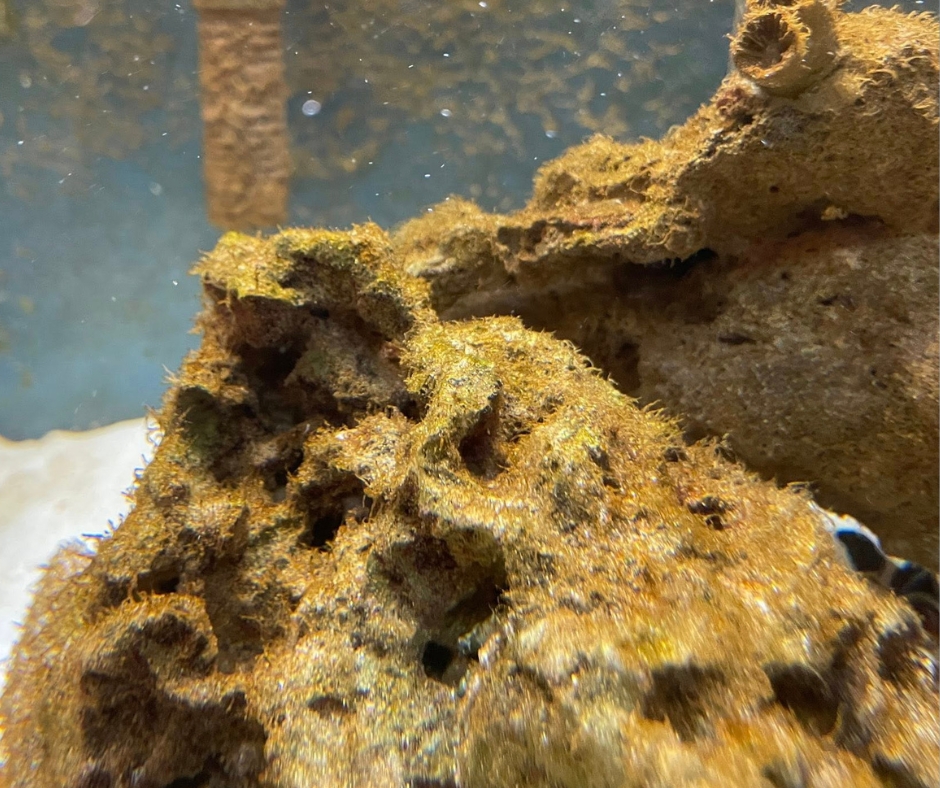
The first thing to remember about a dinoflagellate outbreak is that it is caused by a biological imbalance. Understanding this can help eliminate confusion if you are ever faced with this situation.
Dinoflagellates are single-celled, photosynthetic organisms that are always present in our tanks. The problem arises when they become the dominant organism. Remembering that dinoflagellate outbreaks are a symptom of imbalance rather than the cause makes treating the problem more easily understood.
When beneficial microbes like diatoms and bacteria dwindle, dinoflagellates take advantage and flourish. Low nutrients (zero nitrate and zero phosphate), high powered reef lighting and an immature microbiome (especially in dry rock tanks) can all be causes that tip the scale in favor of dinoflagellates. It’s not that “zero nutrients cause dinos.” It’s that zero nutrients weaken the good biome, and dinos take the open seat at the table.
Your Microbiome in New Saltwater Aquariums
The first defense against a dinoflagellate outbreak is balance. If the dinos in your tank begin to get out of control, treatment will largely depend on the species. More on that later. First let’s talk about balancing your tank from the start.
Take care not to over filter your new tank. Filter rollers, aggressive skimming, constant UV and ultra clean water are not needed in new tanks. Letting the tank mature is the first step in stability.
Your system’s nutrients should remain balanced. Ultra-low nutrients weaken the biome and become a source of unwanted problems in your tank.
Making your system more diverse with live rock, live sand, copepods, phytoplankton and other beneficial bacteria strengthens your microbiome and makes it harder for dinoflagellates to dominate.
Identifying Dinoflagellates
Identifying which species of dinoflagellates are present in your tank is the first and most important step in curing the problem. Various species respond to different strategies, so their identification is paramount.
The most effective way to identify which species has a hold on your tank is under a microscope. You can get a perfectly usable one for around $100. It is one of the most powerful tools you can use for reefing, and I recommend each reefer has one.
Various Types of Dinoflagellates
There are numerous types of dinoflagellates. Below is a list of the four most common species found in saltwater aquariums, what they look like and strategies to eliminate them.
Amphidinium (Small & Large Cell) & Prorocentrum
Amphidinium are usually found on the sand bed. They have a brown, dusty covering, minimal long strings and may have bubbles. They do NOT go free floating at night. They burrow deeper into the sand.
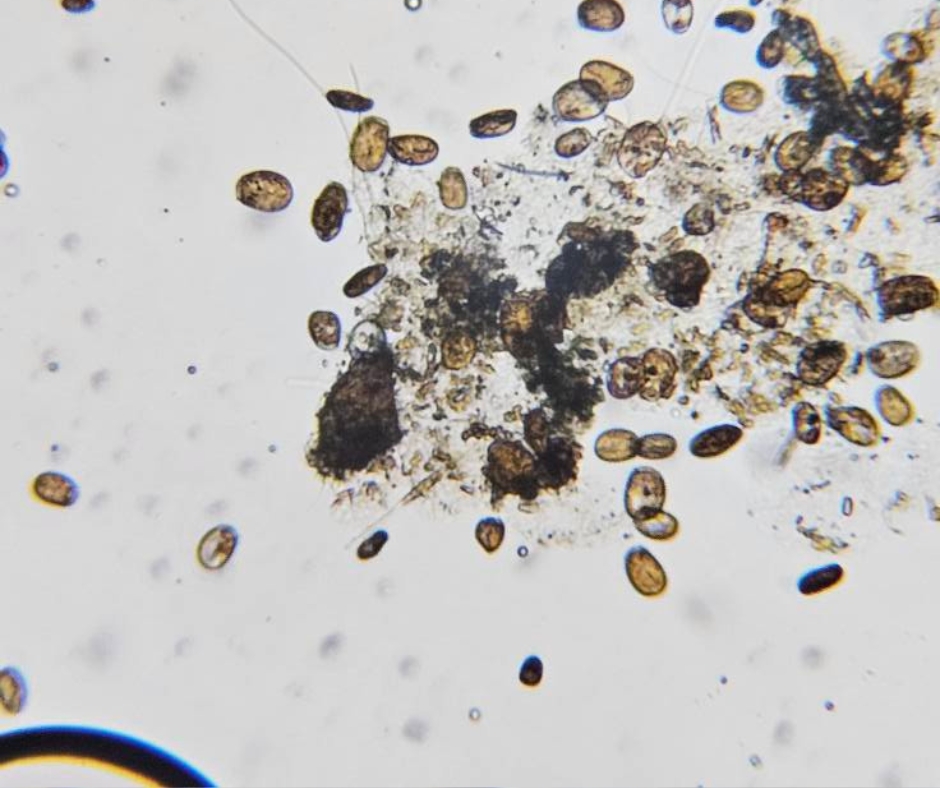
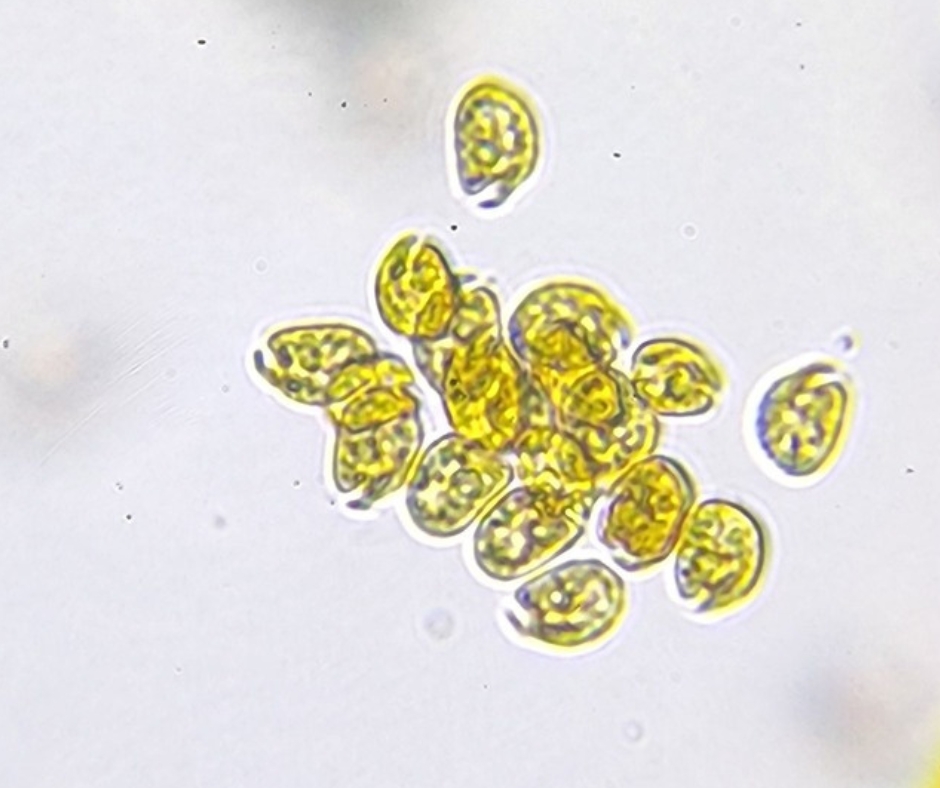
Prorocentrum appears as a thick brown mat. They have more “body” than amphidinium and can look stringy. Prorocentrum hides at night and also does NOT respond well to UV sterilizers. PROROCENTRUM IS TOXIC! It is very important to take precautions when treating this type of dinoflagellate. They release toxins when they die. In order to protect fish and inverts, it is recommended to run activated carbon, changing weekly during treatment.
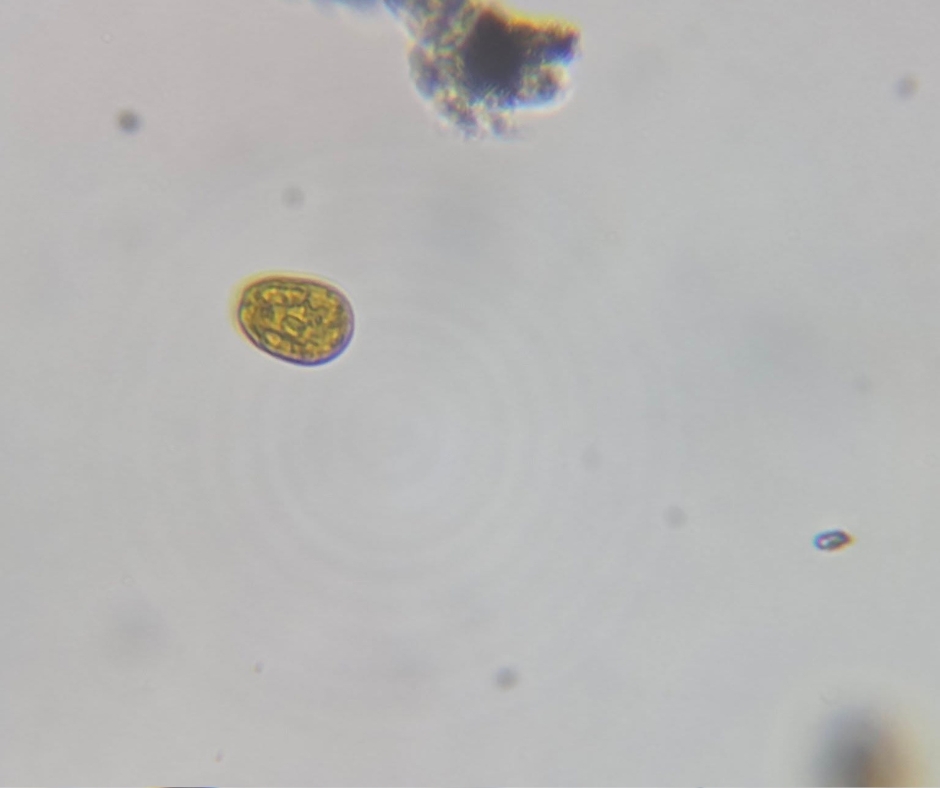
UV sterilizers do NOT work on these species. These dinoflagellates do not free swim and can not go through the device.
Intentionally raise the nutrients in your tank. Raise Nitrate to around 10ppm and Phosphate to around 0.1ppm. Remember that balanced ratio matters. (100:1)
Add biodiversity to your tank. Copepods, amphipods, live rock or sand, and beneficial bacteria are valid additions in this endeavor.
Dose sodium silicate (40% solution). The goal here is to grow diatoms to outcompete dinoflagellates. Be sure not to overdose. The % is important. Lower concentration is not strong enough.

(Chart credit to Mack’s Dinoflagellate Support Group (Lynn Nichols))
Keep in mind that this approach takes time, sometimes months. You are rebuilding the biome, not nuking the tank.
Ostreopsis & Coolia (UV-Responsive)
Ostreopsis appears as long, brown, snotty strings with bubbles attached. They coat rocks and corals and will free swim at night. Under a microscope they possess a distinct pointed “beak” shape. OSTREOPSIS IS TOXIC! It is very important to take precautions when treating this type of dinoflagellate. They release toxins when they die. In order to protect fish and inverts, it is recommended to run activated carbon, changing weekly during treatment.
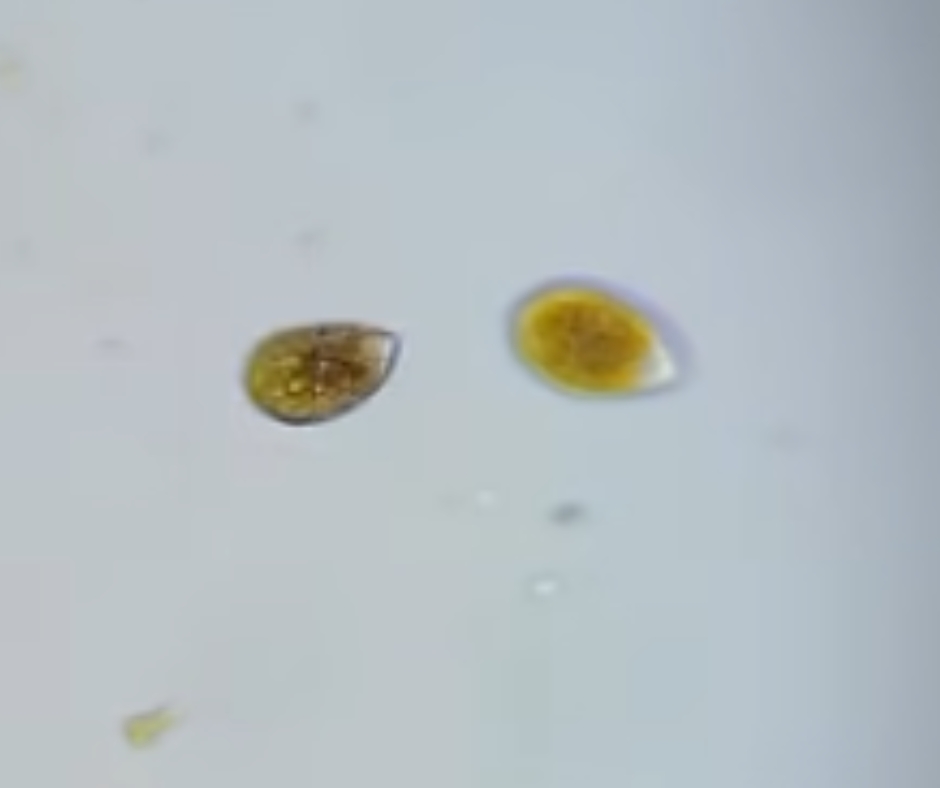
Coolia appears as short, brown strands in out tanks and as round globs under a microscope.
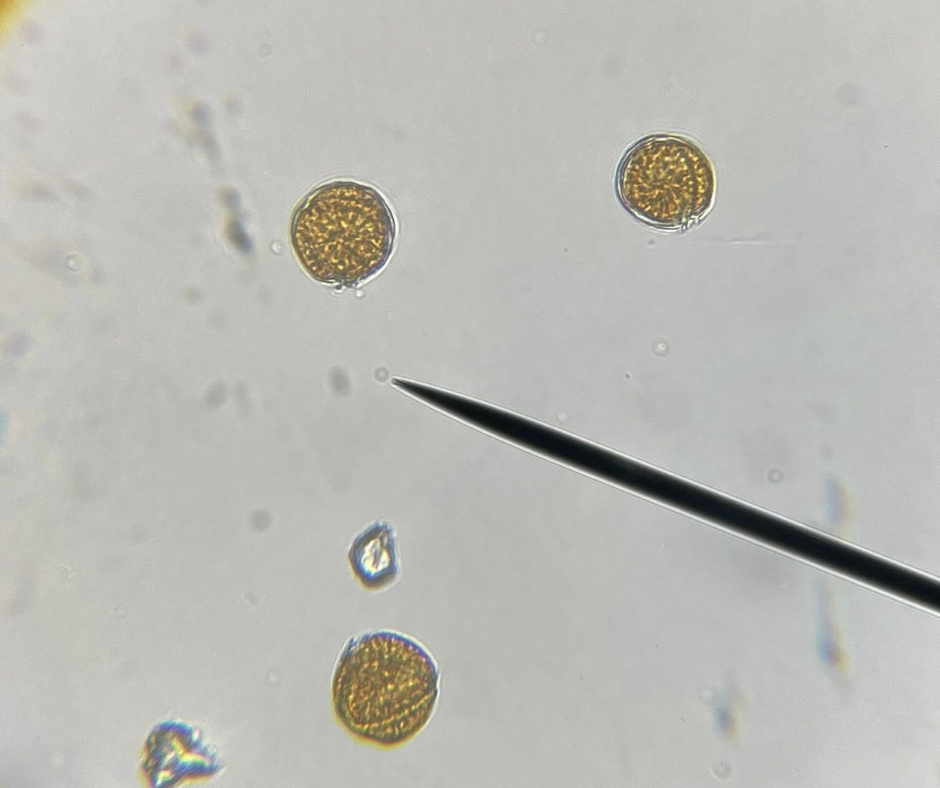
UV Sterilization will work for Ostreopsis as well as Coolia. As a general rule, the recommendation is 1 watt per gallon minimum, but some recommend up to 3 watts per gallon.
Keep in mind that wattage isn’t everything. Flow rate matters more. A slow flow will allow for more exposure time and therefore will kill Ostreopsis and Coolia more effectively. (100 – 150gallons per hour)
Best practice is to setup the UV to pull from & return to the main display directly.
The Imposter
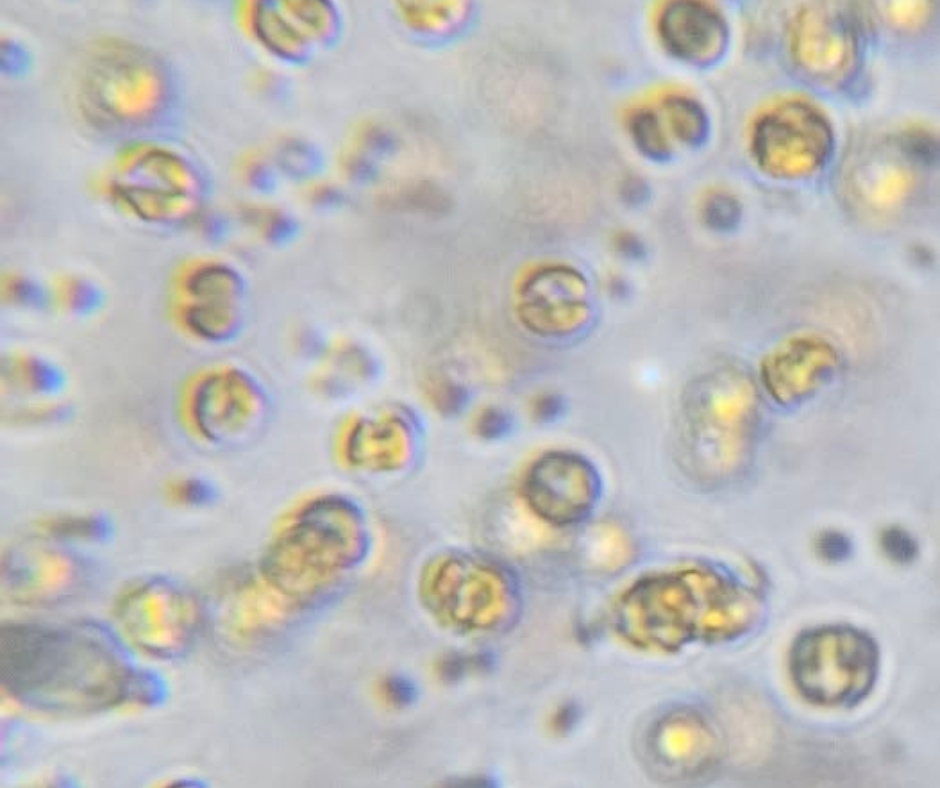
Chrysophytes are often mistaken for dinoflagellates, but they are a different issue entirely. They typically appear as a golden-brown, fuzzy coating on surfaces in the tank. The most common cause is excess silicates, usually introduced by exhausted RODI filters that are no longer effectively removing impurities. The solution is straightforward: replace the DI resin in your RODI system and manually remove the growth as needed. Unlike many dinoflagellates, Chrysophytes do not pose a toxin risk to your livestock. They’re certainly annoying, but they are not dangerous.
Final Thoughts
The real shift in mindset is understanding that we don’t fight dinoflagellates directly, we don’t try to nuke them out of existence, and we don’t panic. Instead, we focus on building a stable, diverse biome that they simply can’t compete against. When beneficial bacteria, microfauna, and balanced nutrients thrive, dinos lose their foothold and begin to fade. That’s reefing. If you’re dealing with them right now, it’s not the end of your tank, it’s a phase in its biological maturity. Build the system, strengthen the biome, outcompete the problem. You’ve got this.
Images credited to: Bernard Hilzernrath, Brock Kirschenmann, Jon Duboy, Eric Lepik, Jacob Ludwig and Tina Lambert
 Reef Rookies - Respectful Reef Keeping
Leave a comment