
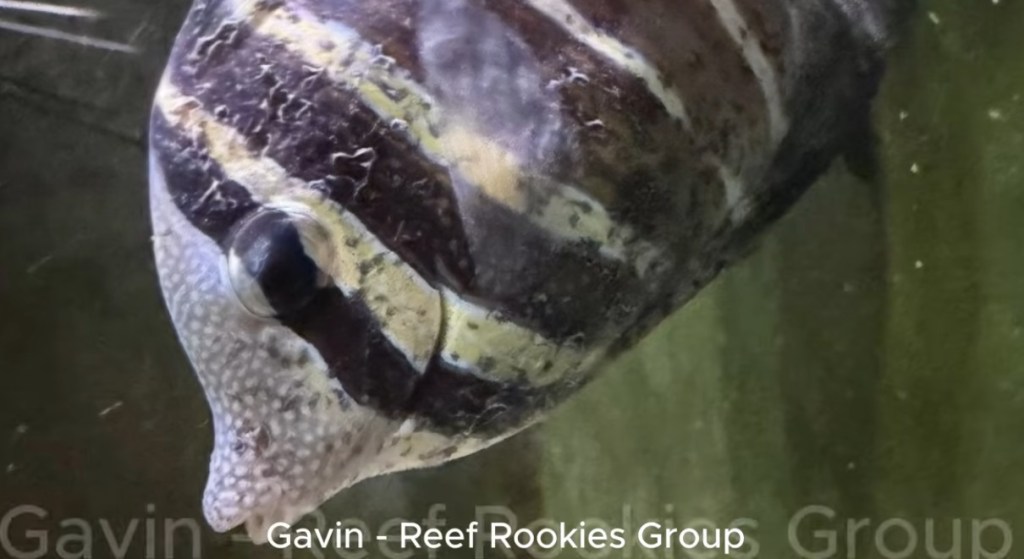
Brooklynella is one of the most aggressive and deadly pathogens encountered in saltwater aquariums. Unlike many other common marine diseases, it does not give you time to wait, observe, or “see how things go.” By the time visible symptoms appear, the infection is already well underway, and immediate action is required to have any chance of saving your fish.
This disease is especially notorious among clownfish, often earning the nickname “clownfish disease,” but it is not limited to them. Any fish in the system can become infected, and once it spreads, it does so rapidly.
Understanding Brooklynella
Brooklynella is a protozoan parasite with a life cycle that sets it apart from other common pathogens like ich or velvet. Those diseases typically include a stage where the organism leaves the fish, reproduces on a hard surface, and then releases free-swimming parasites that reinfect hosts.
Brooklynella behaves differently.
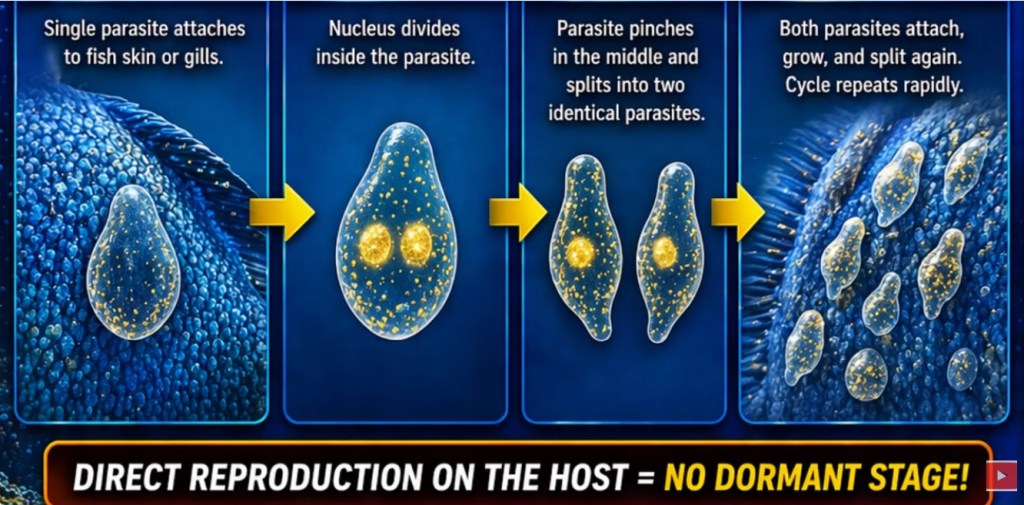
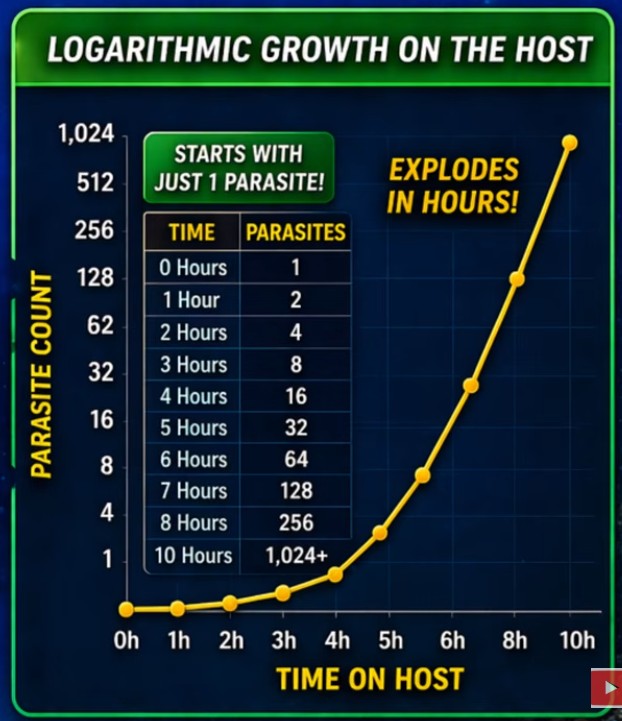
It remains primarily on the fish and reproduces through binary fission, meaning one organism splits into two, then two into four, and so on. This process can occur in as little as 20 to 30 minutes, leading to explosive population growth directly on the fish. Because of this rapid multiplication, the disease progresses extremely fast. A fish that appears normal one day can be critically ill the next, and a full tank outbreak can occur within a very short time frame.
Recognizing the Symptoms
Early identification is critical, although challenging due to how quickly the disease advances. Once visible symptoms appear, the infection is already severe.
Common signs include rapid breathing, excessive mucus production that creates a gray or white coating on the body, pale patches or lesions, and a noticeably pale face or head. Fish often become lethargic, stop eating, and may show clamped or ragged fins.
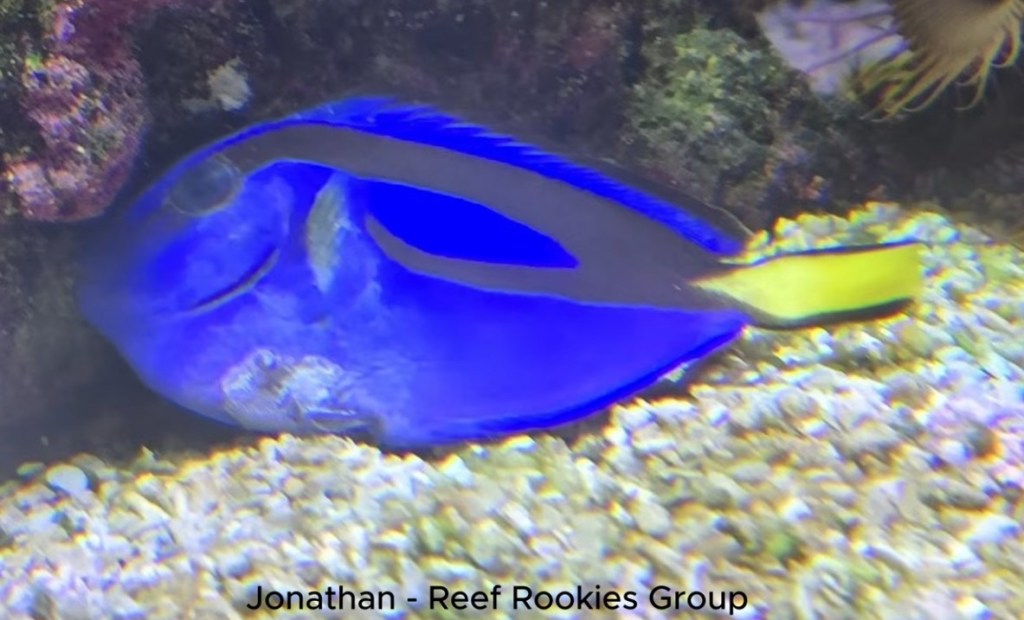
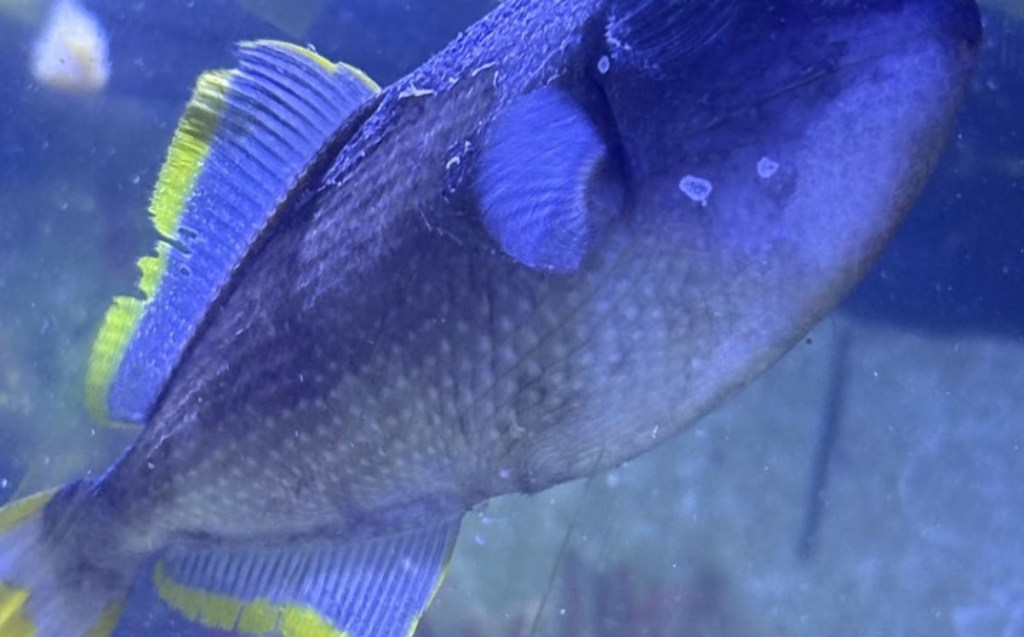
One of the most important indicators is the speed of decline. If a fish appears to be deteriorating hour by hour, Brooklynella should be strongly suspected.
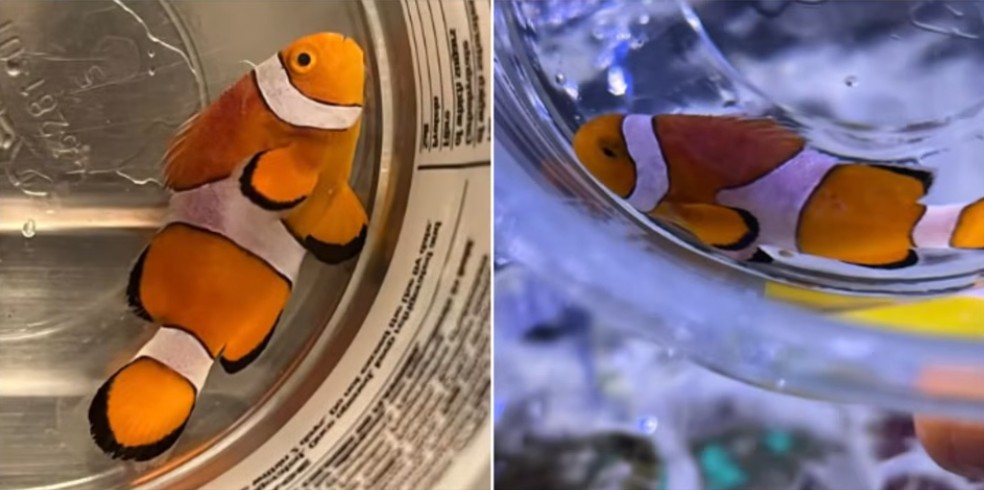
How Brooklynella Enters Your System
This pathogen does not appear spontaneously. It is almost always introduced into the aquarium.
The most common cause is the addition of unquarantined fish. A fish can carry the parasite without showing symptoms, especially if it was recently exposed at a store or during transport. Once introduced into your system, the parasite rapidly multiplies and spreads.
Cross-contamination is another major risk. Nets, pumps, or other equipment used between tanks can transfer the organism if not properly sterilized.
Because Brooklynella does not rely heavily on surface-based life stages, it is less commonly introduced through invertebrates or dry goods, but anything wet can potentially carry it.
The Three-Part Treatment Protocol
Successfully treating Brooklynella requires a structured and aggressive three-step approach. Skipping steps or delaying action significantly reduces the chances of survival.
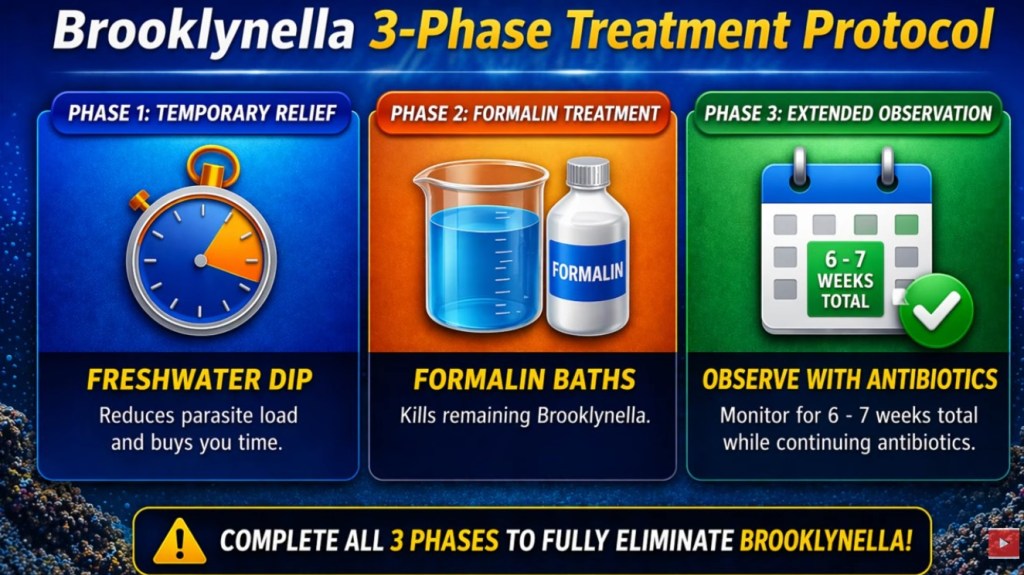
Step 1: Immediate Symptom Relief
This first step helps reduce the parasite load and provides temporary relief to the fish.
- Perform one of the following baths:
- 90-minute bath using Ruby Reef Rally Pro
- Hydrogen peroxide bath
- 5-minute freshwater bath
These treatments may help dislodge some parasites and stabilize the fish temporarily, but they are not a cure.
Step 2: Formalin Treatment (Primary Treatment)
Formalin is the most effective treatment for killing Brooklynella but must be used with extreme caution.
- Perform treatment in a quarantine tank or separate sterile container only
- Never treat in the display tank
- Use 1 mL of formalin per gallon of water
- Maintain temperature at approximately 78°F
- Provide heavy aeration using air stones
- Bathe fish for 45 to 60 minutes
- Monitor fish continuously and remove immediately if severe stress is observed
Alternative method for sensitive or heavily affected fish:
- Use 1 mL of formalin per 10 gallons
- Maintain treatment for 7 to 10 days
Safety is critical. Formalin is toxic to both fish and humans, so proper protective measures such as gloves, ventilation, and avoiding skin contact are essential.
Step 3: Extended Antibiotic Quarantine
After the formalin bath, fish must be transferred immediately into a prepared quarantine system for extended treatment.
- Match temperature and salinity to the bath conditions
- Dose metronidazole every 48 hours for 10 to 14 days
or - Use a single dose of chloroquine phosphate at 60 mg per gallon
This step acts as an insurance policy to eliminate any remaining parasites and prevent reinfection.
Managing the Display Tank
While treatment is underway, the display tank must remain completely fishless.
- Remove all fish from the display tank
- Maintain a fallow period of 6 to 7 weeks
- Do not reintroduce any fish during this time
Without a host, Brooklynella cannot sustain itself and will die off in the system.
Prevention: The Best Strategy
Preventing Brooklynella is far easier than treating it.
Quarantine is the single most effective method. A proper quarantine period of around 90 days allows time to identify and address potential issues before introducing fish to the display.
Equally important is observation. Always inspect fish carefully at the store, not just the one you intend to buy. Signs of disease in any fish within the system should be a red flag.
Avoid cross-contamination by keeping equipment separate between systems and sterilizing anything that may transfer water between tanks.
 Reef Rookies - Respectful Reef Keeping
Leave a comment